>>

Thick, fluffy, melt-in-your-mouth Southern buttermilk biscuits—perfect for breakfasts, dinners, and everything in between.
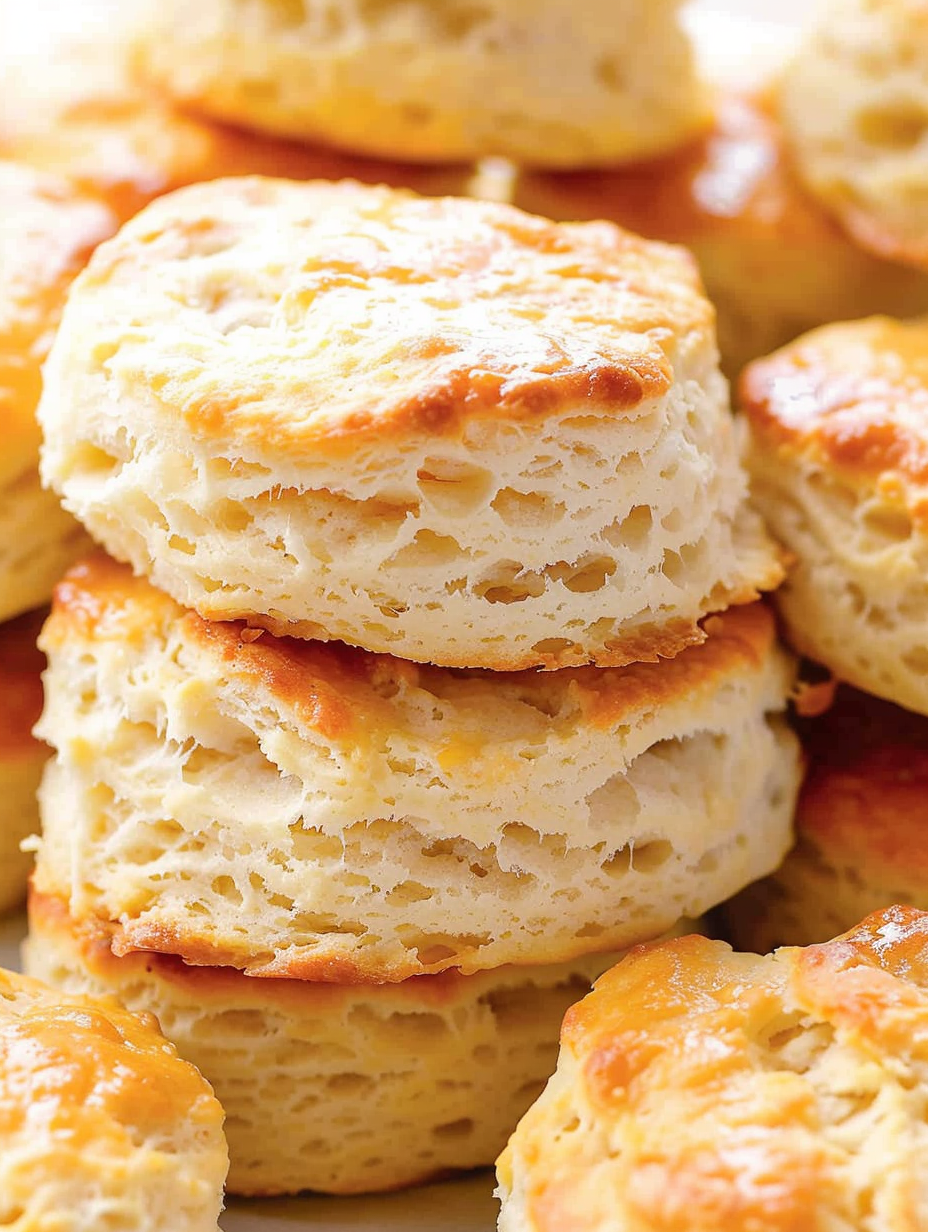
This recipe for old-fashioned Southern buttermilk biscuits has been a staple at our table for years. I first learned this technique during a rainy weekend when I craved the kind of biscuit that splits in the middle and soaks up gravy without falling apart. The result was a golden, layered biscuit with a tender interior and a slightly crisp top—exactly what I wanted. These biscuits are reliably thick and fluffy thanks to a combination of cold butter, gentle folding, and a touch of baking soda to react with the buttermilk.
What makes these stand out is the texture: light layers that practically melt on the tongue while still holding shape for butter, honey, or a hearty sausage gravy. I discovered the tri-fold method while trying to coax flaky layers out of simple pantry ingredients. Since then they’ve become my go-to for holiday breakfasts, casual Sunday suppers, and potlucks where people always ask for the recipe. With a total time under 45 minutes, they’re a weekend treat that’s surprisingly approachable for a weekday breakfast if you plan ahead.
I remember taking these to a family brunch and watching my usually reserved uncle take two at once—then ask for the recipe. That moment convinced me that the technique was worth sharing. Over the years I’ve tweaked butter size and folding rhythm to nail the fluffy interior while keeping a golden crust. These biscuits have earned a permanent place on our weekend table.

My favorite thing about these biscuits is how adaptable they are. I once served them at a holiday brunch with honey butter and a savory sausage gravy—guests kept going back for more. The simple technique rewards patience: a light, layered interior with a golden sheen from the final butter brush. Every time someone remarks on how soft and fluffy they are, I’m reminded that a few careful steps make all the difference.
Store cooled biscuits in an airtight container at room temperature for up to two days—placing a paper towel beneath them helps absorb any moisture. For longer storage, freeze wrapped biscuits individually in plastic wrap and then tuck into a freezer-safe bag for up to three months. To reheat from frozen, unwrap and place on a baking sheet in a 350°F oven for 10–12 minutes, or until warmed through; for best texture, brush lightly with melted butter before serving. Avoid microwaving if you want to preserve the crust; the oven method keeps flake and crispness.
If you don’t have cultured buttermilk, make a quick substitute by adding 1 tablespoon of lemon juice or white vinegar to a measuring cup and filling to the 3/4-cup mark with milk; let sit 5 minutes. For a lower-fat version, use 2% milk with the same acid but expect slightly less richness. Whole wheat pastry flour can replace up to half the all-purpose flour for a nuttier flavor and firmer crumb; reduce folding to avoid toughness. For a dairy-free alternative, use a plant-based butter with a high-fat content and an unsweetened plant milk soured with vinegar—texture will be slightly different but still satisfying.
These biscuits pair beautifully with simple spreads like honey, jam, or compound butter. For a savory meal, split and top with sausage gravy, pulled pork, or a fried egg and cheese for breakfast sandwiches. On the side of soups and stews, they’re perfect for dipping and soaking up broths. Garnish with flaky sea salt and a sprig of fresh thyme for presentation, or serve warm with softened butter and a bowl of preserves for a crowd-pleasing brunch.
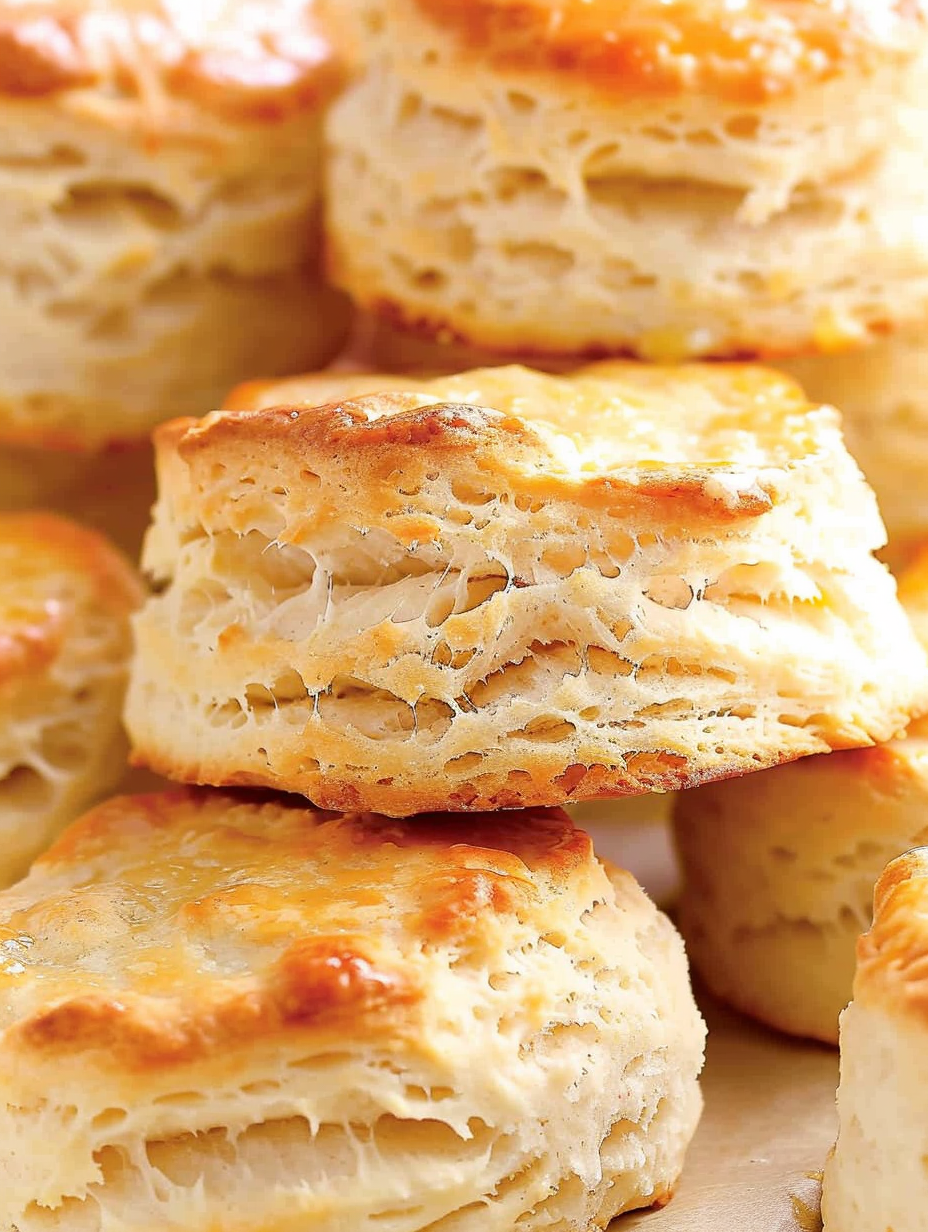
Biscuits have deep roots in American Southern kitchens, evolving from early quick-bread techniques where quick leaveners replaced long fermentation. Traditionally made with lard or butter, biscuits became a versatile staple—served at breakfast, lunch, and dinner. Regional variations include flaky layered rounds in the Deep South and denser soda biscuits further north. The buttermilk version is classic because the acidity tenderizes gluten and reacts with baking soda to create lift. These biscuits reflect a history of simplicity—few ingredients transformed by technique into something comforting and celebratory.
In spring and summer, fold in chopped herbs like chives, parsley, or lemon zest for brightness. Fall invites additions of grated cheddar and diced jalapeño, or swap in cooked, crumbled bacon for savory flavor. For winter holidays, offer warm biscuits with spiced apple butter or a cinnamon-honey glaze. Adjust baking time slightly if you add cheese or vegetables; moist add-ins can lengthen baking by a few minutes. The foundation remains the same—the variations keep the biscuits relevant year-round.
For easy weekday breakfasts, prepare the dough through the tri-fold stage, then wrap and refrigerate for up to 24 hours. When ready to bake, roll, cut, and bake directly from chilled—add a couple of extra minutes to the bake time if very cold. Alternatively, bake a batch ahead and freeze individual biscuits, then reheat in a warm oven for 10 minutes. Use parchment between layers for freezer stacking. Portion into meal-size containers for quick breakfasts that pair well with eggs, fruit, or a hot cup of coffee.
These biscuits are a small act of hospitality that brings people together—soft, warm, and ready to be filled with whatever you love. Make a batch, share with friends, and watch them disappear.
Freeze the grated or diced butter for 15 minutes before cutting into the flour to ensure cold fat pieces remain intact.
Use a straight downward press with the cutter—do not twist—to avoid sealing the edges and preventing rise.
Chill the buttermilk briefly so the dough remains cold; warm liquid will melt the butter and reduce flakiness.
Roll and fold gently; aggressive kneading develops gluten and makes biscuits tough.
This nourishing old-fashioned southern buttermilk biscuits recipe is sure to be a staple in your kitchen. Enjoy every moist, high protein slice — it is perfect for breakfast or as a wholesome snack any time.
Keep the butter and buttermilk cold. Gentle handling and not overmixing are key. If the biscuits seem flat, check your baking powder freshness.
Yes—fully baked biscuits freeze well for up to 3 months. Reheat in a 350°F oven until warm to preserve texture.
This Old-Fashioned Southern Buttermilk Biscuits recipe makes perfectly juicy, tender, and flavorful steak every time! Serve with potatoes and a side salad for an unforgettable dinner in under 30 minutes.
Preheat the oven to 425°F and line a sheet tray with parchment paper. Position the rack in the center to promote even browning.
Grate 8 tablespoons of butter or dice it small and freeze for 15 minutes. Place the 3/4 cup buttermilk in the freezer at the same time so it stays cold but not frozen.
In a large bowl whisk together 2 cups flour, 1 1/2 tablespoons baking powder, 1 tablespoon sugar, 3/4 teaspoon salt, and 1/4 teaspoon baking soda until evenly mixed.
Add the chilled grated or diced butter to the dry mix and cut in with a pastry cutter or two forks until the mix is crumbly with pea-sized butter bits remaining.
Pour in 3/4 cup cold buttermilk and stir until just combined. The dough should be slightly crumbly; do not overmix to keep the texture tender.
Lightly flour a work surface and shape dough into a ball. Roll to a 1/2-inch rectangle, fold into thirds (letter fold), roll again to 1/2 inch and repeat twice. On the third sequence roll to 1-inch thickness.
Use a 2 1/2-inch cutter and press straight down without twisting. Place biscuits slightly touching on the parchment-lined tray. Re-roll scraps to make a total of 8 biscuits.
Brush tops with the remaining 1 tablespoon buttermilk and bake for 13–15 minutes until puffed and golden brown on top.
Melt the remaining 2 tablespoons of butter while the biscuits bake. Remove biscuits from the oven and immediately brush the tops with melted butter. Let cool slightly before serving.
Last Step: Please leave a rating and comment letting us know how you liked this recipe! This helps our business to thrive and continue providing free, high-quality recipes for you.
Leave a comment & rating below or tag
@feastinarecipe on social media!
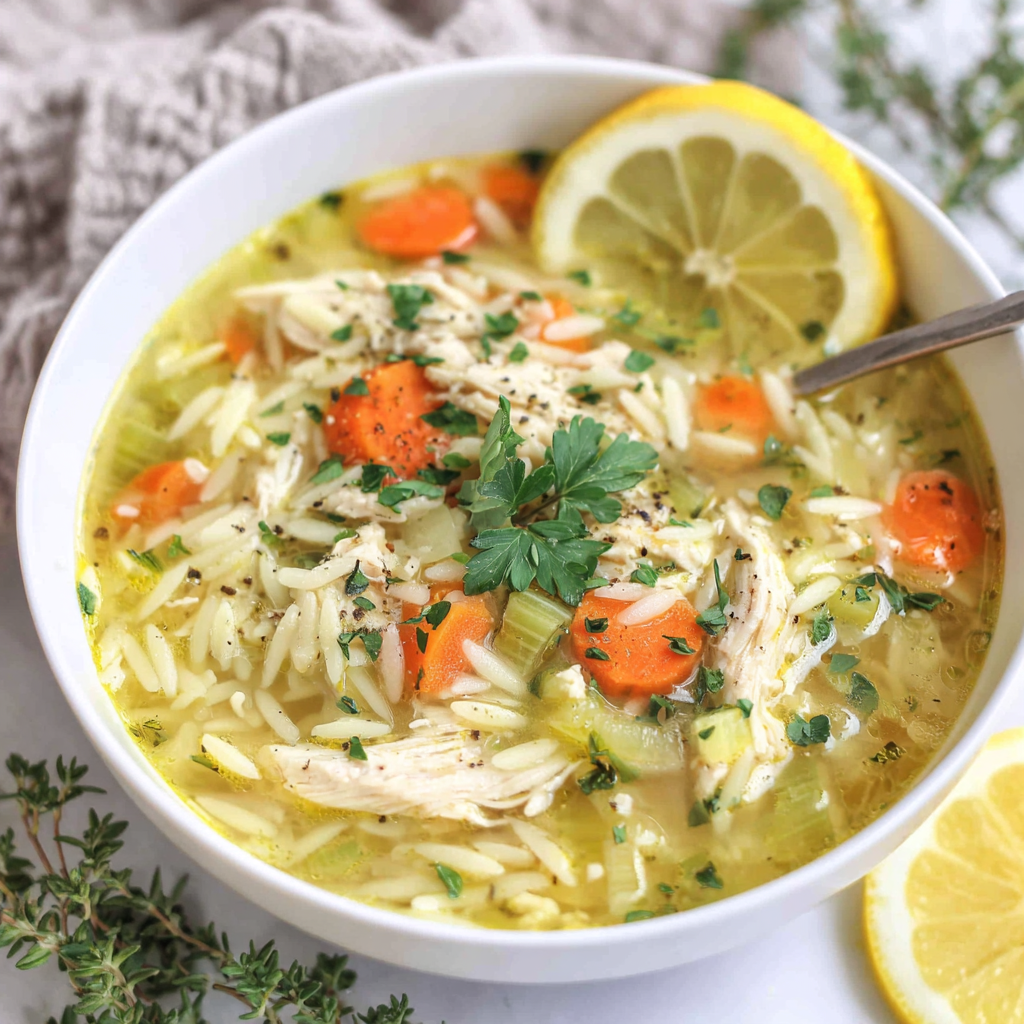
Cozy, bright, and ready fast, this Instant Pot lemon chicken orzo soup brings tender chicken, fresh veggies, and a sunny citrus finish.

Feather-light mini cheesecakes with bright strawberry sauce, a tender biscuit-style base, and creamy filling. Just 47 calories each and irresistibly fresh.

Silky mini cheesecakes swirled with melted chocolate and a splash of Kahlua, nestled on Oreo crusts and crowned with fresh whipped cream.
Leave a comment & rating below or tag @feastinarecipe on social media!
Enjoyed this recipe? Share it with friends and family, and don't forget to leave a review!
This recipe looks amazing! Can't wait to try it.
Comments are stored locally in your browser. Server comments are displayed alongside your local comments.

Join to receive our email series which contains a round-up of some of our quick and easy family favorite recipes.